

Would you like to have your watchlist on all your devices? Log in or register for free.

Malta: Picturesque archipelago in the Mediterranean

Malta is a group of islands in the Mediterranean Sea between Sicily and the coast of North Africa. The country is known for its historical sites, which bear witness to the successive conquests by the Romans, Moors, Knights of St John, French and British. Malta is home to numerous places of interest, such as: fortresses, temples and also an underground trail system.
With around 520,000 inhabitants in an area of 316 square kilometres, Malta is the fifth most densely populated country in the world. The majority of the population lives in the capital region of Valletta, with around 394,000 inhabitants. In terms of both population and area, Malta is about the same size as the northern German city of Bremen and just under twice the size of the Principality of Liechtenstein.
Those who speak English will get on quite well here. In addition to Maltese, English is also an official language in this dwarf state.

Dwarf state as a popular holiday destination
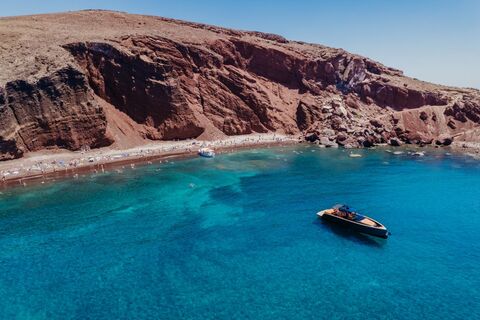
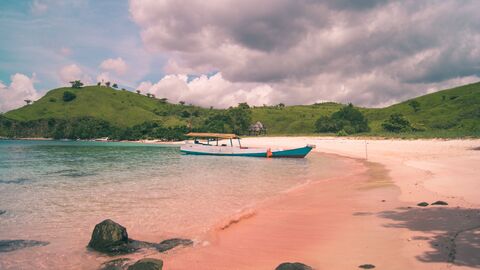
All of the Maltese islands are rocky. The main island is a mountain range of limestone rock that rises up to 260 metres. The south and south-west slope steeply down to the sea. The coast of Malta is indented and inaccessible. There are picturesque little bays between the jagged rocks. In the north and north-east of Malta, the landscape is characterised by hills and flatter plains. The coast there gradually slopes down to the sea and is cut into by bays surrounded by sandy beaches. There are no mountains or rivers on Malta. Remarkable are the numerous caves that have been created by erosion of the limestone. Due to the scarcity of water, the vegetation in Malta consists of undemanding but numerous plants; large trees are rather rare. Fig trees grow wild along the roadside and on the stony fields.
If you come to Malta by car (ferry crossing), you should definitely pay attention to one thing: LEFT-HAND TRAFFIC!
If you can't cope with this, don't drive and use buses and taxis instead. There is no motorway on the island.
Visit the capital Valletta, with its small, unique and picturesque alleyways.

The public gardens offer a fantastic view over the harbour - Grand Harbour - and other areas.
The annual Malta Jazz Festival has been held on the third weekend in July since 1991. All against the backdrop of the historic fortress walls on the Grand Harbour.
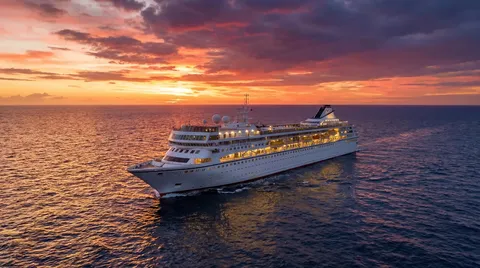
It is worth taking a harbour cruise to see the city and the surrounding area of Valletta.


You can get a little hungry from all the sightseeing. Be sure to try Gbejna.
Ġbejna is a small cheese made from goat's milk. Capers, rabbit and of course the national fish, dolphinfish, are very popular, as are pastizzis and qassatas. These are pastries filled with ricotta, tuna, meat, spinach or peas.

Maltese speciality: Cheese - Gbejna
By the way:
Bird hunting is a traditional national sport in Malta. With around 18,000 official hunting licences, Malta has the highest density of hunters in Europe.
Images:
Freepik
By Oren Rozen - Own work, CC BY-SA 4.0, https://commons.wikimedia.org/w/index.php?curid=45146145


