


Would you like to have your watchlist on all your devices? Log in or register for free.

Discovering Russian Bay in Madagascar

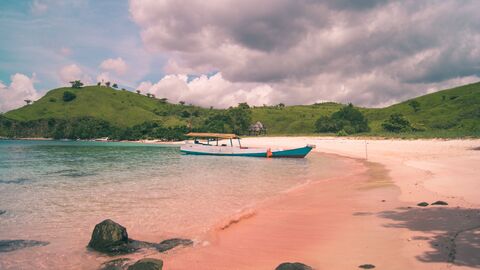
Russian Bay in Madagascar is a secluded paradise that remains largely untouched by the modern world.When you here maybe you imagine a bay many Russian tourists sunbathing and having their vodkas. But this bay gets its name not by Russian tourists but from history.
Russian Bay, or "Baie des Russes," gets its name from a historical event. During the Russo-Japanese War in 1905, a Russian fleet sought refuge in this bay after a grueling battle in the Indian Ocean. The bay provided a safe haven for the weary sailors, and remnants of their stay can still be found today in the form of sunken ships and artifacts scattered across the seabed. This historical significance adds an element of mystery and allure to the bay, making it a must-visit for history enthusiasts and adventurers alike.
The crystal-clear waters of Russian Bay are home to a vibrant underwater ecosystem, teeming with colorful coral reefs, exotic fish, and other marine life. Snorkelers and divers are in for a treat, as the bay offers some of the best underwater experiences in Madagascar. The coral gardens are relatively untouched, providing a rare glimpse into a thriving marine environment that has remained largely undisturbed by human activity.
The bay’s calm and shallow waters are perfect for beginners, while more experienced divers can explore the deeper parts where shipwrecks from the Russian fleet lie, creating an eerie yet fascinating underwater landscape. Among the marine life, travelers have noted a special type of shrimp that thrives in these waters. These shrimps are not only unique to the region but are also impressively large, with each one weighing nearly 250 grams. This local delicacy is a highlight for seafood lovers visiting the area.
Russian Bay is not just about the water; the surrounding land is equally captivating. The bay is nestled within a lush tropical forest, home to a wide variety of flora and fauna unique to Madagascar.
Visiting Russian Bay is also an opportunity to engage with the local Sakalava people, who have lived in harmony with the land and sea for generations. Their way of life is deeply connected to the environment, and visitors can learn about traditional fishing methods, medicinal plants, and local customs.
Travelers have remarked on the reasonable prices of vegetables and fruits in the local markets, making it easy to enjoy fresh produce during your stay. Seafood, including the locally renowned large shrimp, is also reasonably priced, allowing visitors to indulge in the flavors of the sea without high costs.
The best time to visit is between May and October when rainfall is rare, and temperatures range from 24°C to 32°C.


